Over the past decade, the way art is bought and sold has changed dramatically. Online platforms have made it possible for artists to reach global audiences, but that reach has come with trade-offs. As global marketplaces grow larger, more centralized, and more algorithm-driven, many artists and buyers are discovering what those platforms leave behind: place, context, and community.
Local art marketplaces have emerged to fill that gap.
Rather than competing on scale, they compete on relevance—connecting artists and buyers through shared geography, lived experience, and local culture. In an increasingly globalized digital economy, that local focus matters more than ever.
The limits of global art platforms
Global marketplaces are designed to maximize volume. Their success depends on attracting as many listings and transactions as possible, across every category and region. For art, this often means prioritizing what sells fastest or what already performs well in the algorithm.
That structure creates several problems.
First, visibility is uneven. Artists with existing followings, advertising budgets, or viral appeal are favored, while regional and emerging artists are often buried. Talent does not disappear, but it becomes harder to find.
Second, context is lost. Art is reduced to product listings, stripped of the cultural, geographic, and personal stories that shape it. Buyers may never know where a piece was created or what community it came from.
Third, economic impact is diluted. Platform fees, payment processing, and corporate overhead pull money away from artists and out of local economies.
Local art marketplaces exist in response to these limitations—not as replacements for global platforms, but as alternatives that prioritize different values.
Strengthening local economies
One of the most tangible benefits of local art marketplaces is economic.
When buyers purchase art through local platforms, a greater share of each transaction stays within the community. Artists are often sole proprietors or small businesses, and income from sales directly supports their ability to continue working locally.
This has a ripple effect:
- Artists spend locally on materials, rent, and services
- Creative work contributes to tourism and placemaking
- Cultural activity supports restaurants, events, and downtown areas
Local art marketplaces help keep creative dollars circulating close to home rather than being absorbed by distant corporate platforms.
Increasing artist sustainability
Sustainability for artists is not just about making occasional sales. It is about predictability, visibility, and control.
Local marketplaces support artist sustainability by:
- Reducing competition noise through geographic focus
- Allowing artists to set their own pricing and availability
- Supporting commissions and custom work alongside finished pieces
- Creating pathways for repeat local buyers
Artists who are visible within their own communities are more likely to build long-term relationships with collectors, businesses, and organizations. That stability matters far more than sporadic exposure on global platforms.
Local platforms also lower the barrier to entry for artists who may not fit the aesthetics or commercial expectations of national marketplaces but still have strong regional demand.
Preserving regional culture and identity
Art is shaped by place. Landscapes, histories, social conditions, and community values influence what artists create and how their work is understood.
When art discovery is detached from geography, those connections weaken. Regional styles blur together, and local narratives are overshadowed by dominant trends.
Local art marketplaces preserve cultural identity by:
- Highlighting artists within specific regions
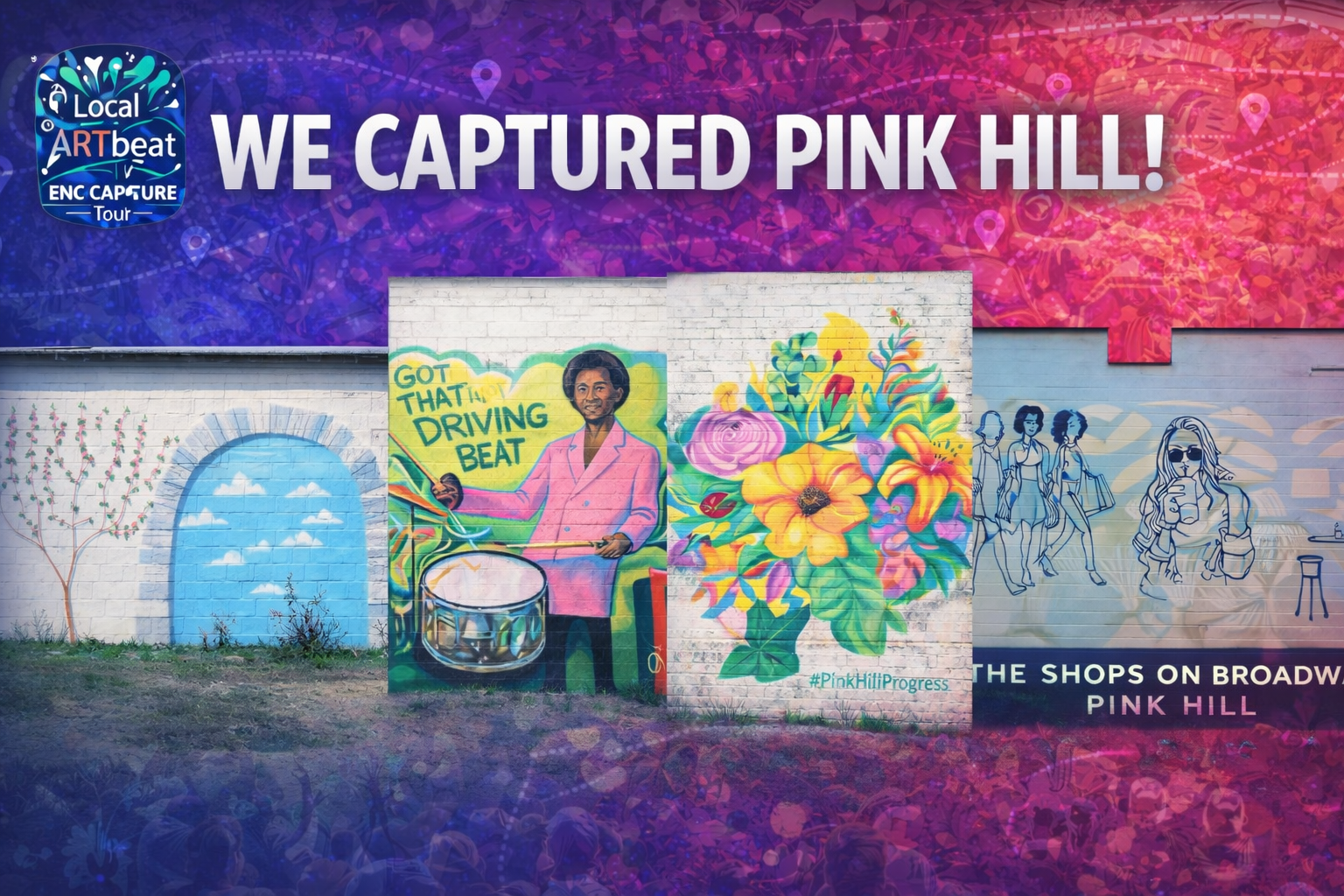
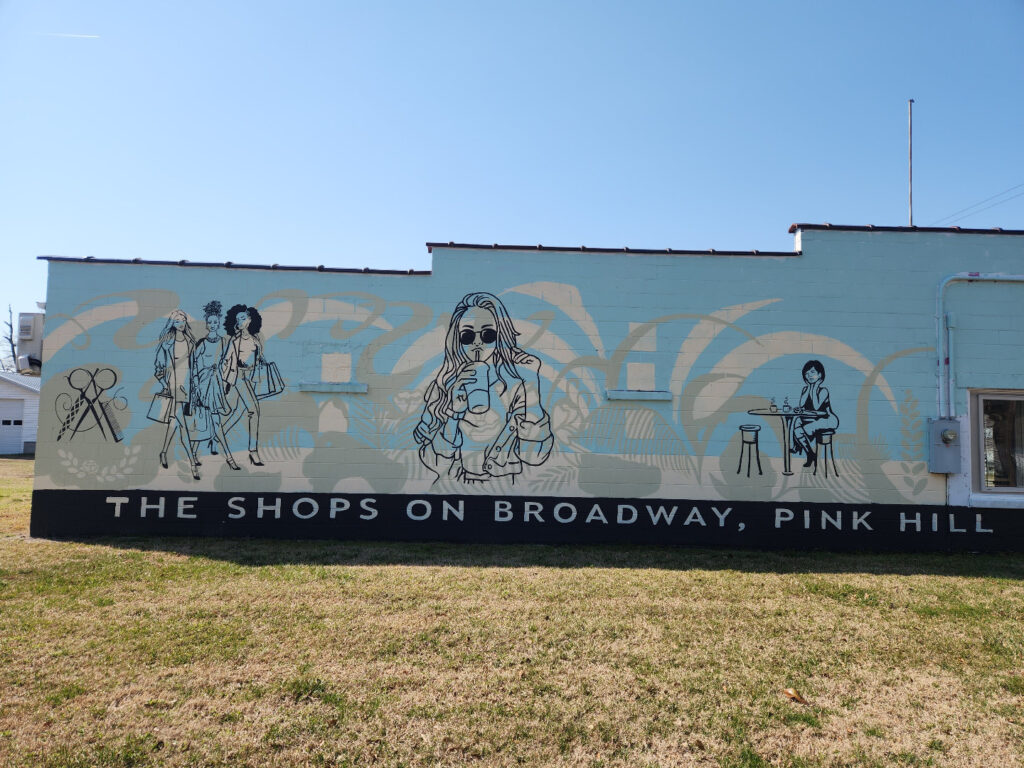
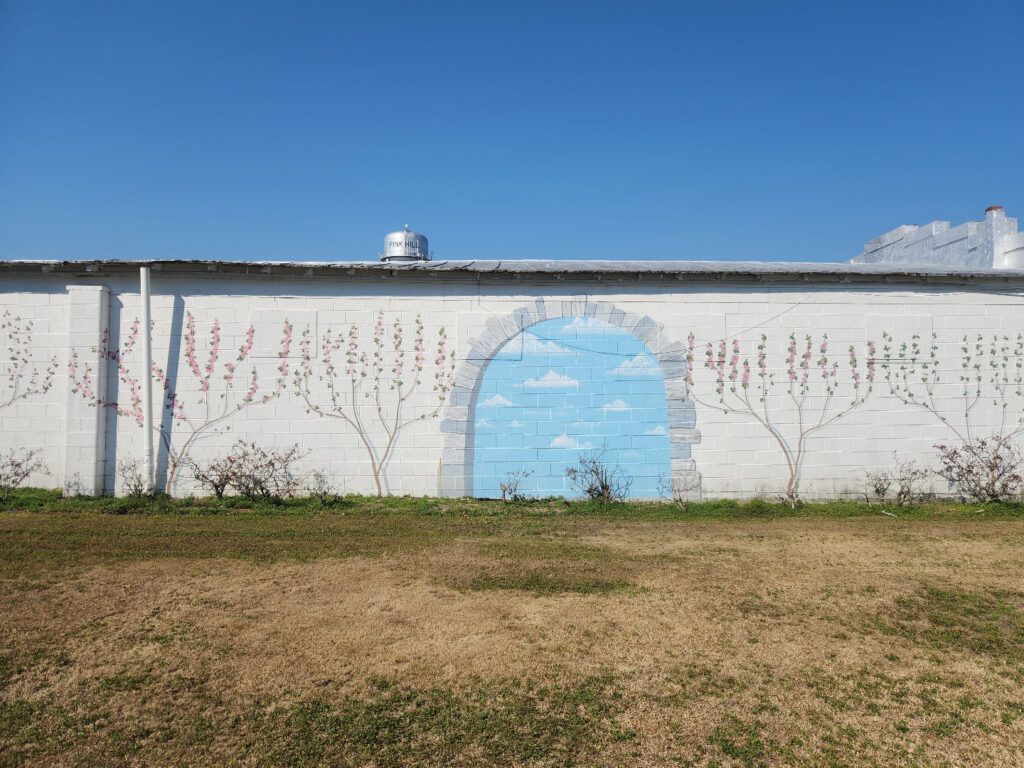
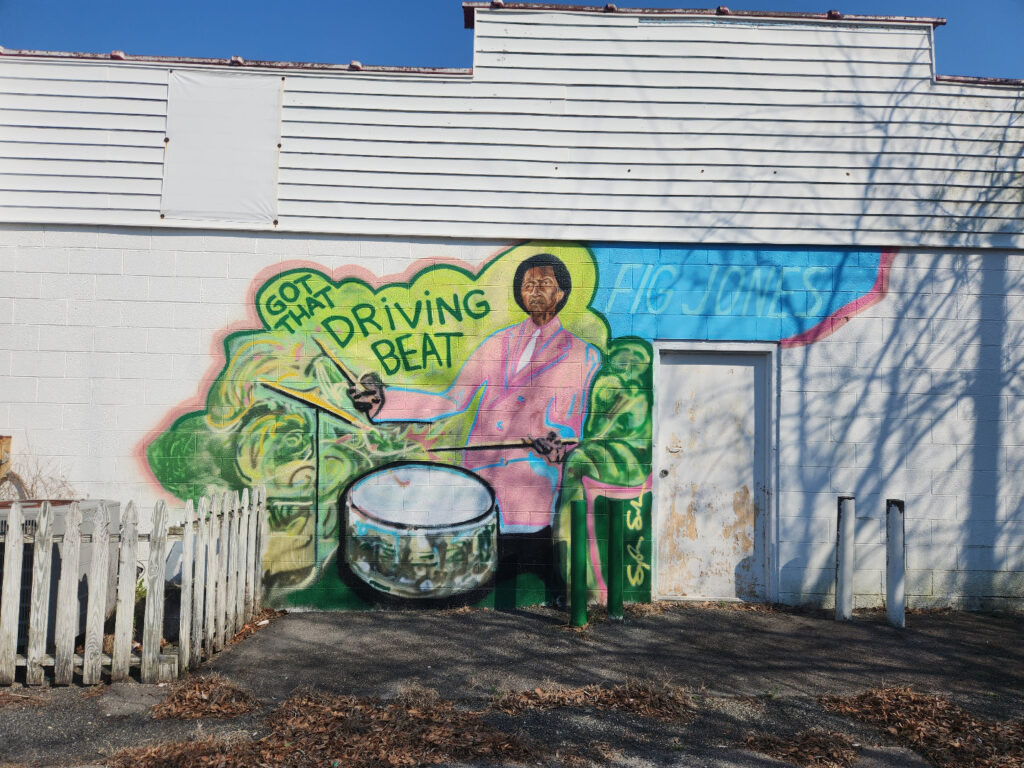
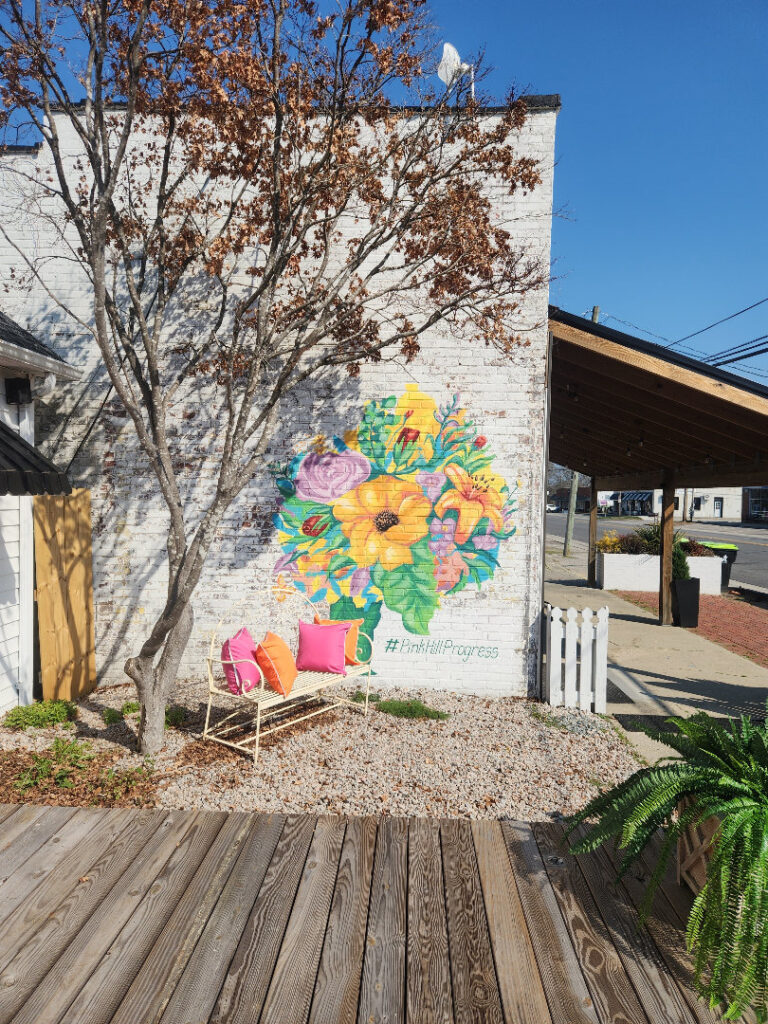
- Making local public art visible and documented
- Supporting work that reflects regional experiences
- Encouraging buyers to engage with art tied to their own communities
This preservation is especially important in smaller cities and rural areas, where cultural production is often overlooked despite being deeply rooted and impactful.
Centering relationships instead of algorithms
Global platforms rely on algorithms to decide what users see. Local platforms rely on relationships.
By centering place, local marketplaces encourage:
- Direct communication between artists and buyers
- Transparency around pricing, process, and expectations
- Trust built through proximity and shared community
Buyers are not just purchasing an object; they are supporting a person whose work they can understand and contextualize. Artists, in turn, are more accountable to their audiences when those audiences are local.
That relational structure creates healthier exchanges for both sides.
Transparency as a competitive advantage
Transparency is often treated as a feature. In local art marketplaces, it is foundational.
Clear pricing, defined commission terms, artist profiles, and visible processes reduce uncertainty for buyers and artists alike. This transparency lowers intimidation for first-time buyers and reduces friction in commissioned work.
When expectations are clear, trust grows—and trust is essential for sustainable creative economies.
Why local marketplaces are growing now
Several broader trends explain why local art marketplaces are gaining momentum:
- Buyers increasingly want to support local businesses
- Artists are seeking alternatives to extractive platforms
- Communities are investing in cultural infrastructure
- Technology now supports location-based discovery at scale
These forces converge at a moment when people are actively rethinking where their money goes and what it supports.
A role for platforms like Local ARTbeat
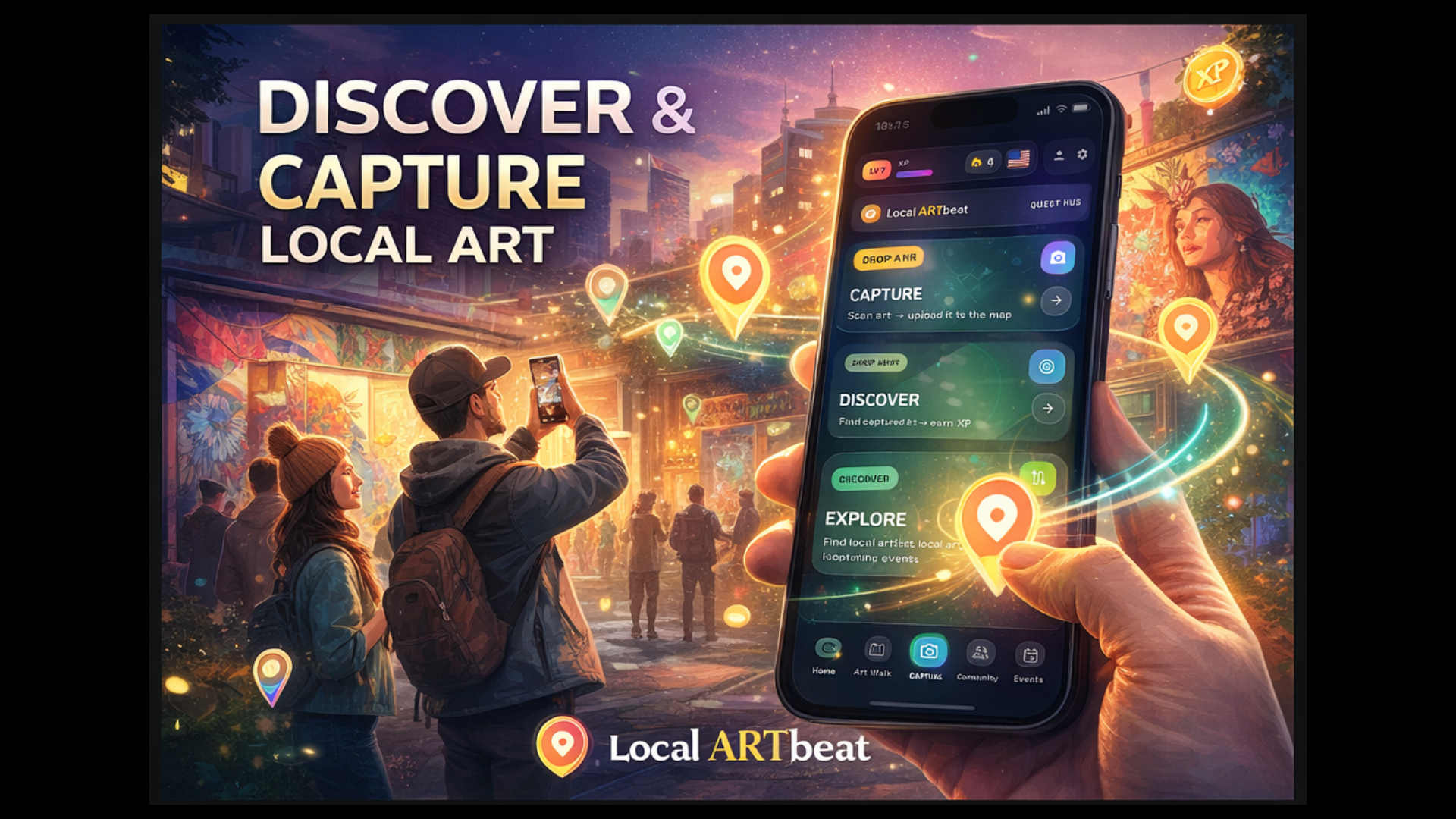
Local ARTbeat exists within this broader shift toward place-based creative economies. Its model reflects the growing recognition that discovery alone is not enough—artists need viable ways to sell and sustain their work, and buyers need clearer paths to support them.
By combining discovery, artist storefronts, and commission tools within a local framework, platforms like this aim to keep art visible, accessible, and economically viable within the communities that produce it.
Looking forward
Local art marketplaces are not a trend. They are a response to structural gaps in how art has been distributed online.
As communities continue to invest in culture as an economic and social asset, platforms that center locality, relationships, and transparency will play an increasingly important role.
Keeping art local is not about limiting reach. It is about ensuring that visibility and value remain connected to the places and people that create them.
Local marketplaces make that possible.